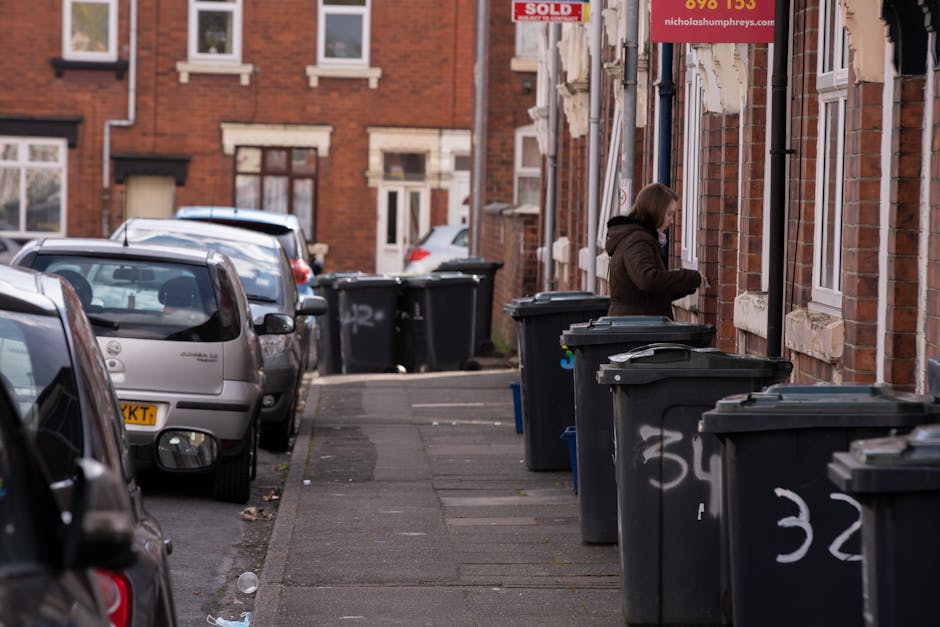
Rubbish collection near Dalston Junction what locals need

If you live or work around Dalston Junction, rubbish tends to show up in the least convenient places: a tight flat share hallway, a busy shop rear yard, a basement store room, or the pavement at the worst possible moment before bins are collected. That is why rubbish collection near Dalston Junction what locals need is really about more than "getting rid of stuff". It is about speed, access, reliability, and making sure waste is removed cleanly without turning a normal day into a small logistical headache.
In this guide, we will look at how local rubbish collection works, what types of clearance jobs come up most often, what to expect on the day, and how to choose a service that actually fits the realities of Dalston life. Not glamorous, perhaps. But very useful.
Why rubbish collection near Dalston Junction matters
Dalston Junction is busy, dense, and constantly in motion. That matters because rubbish is easier to create than it is to move. A broken wardrobe in a third-floor flat, renovation waste from a kitchen update, or packaging from a new office fit-out can pile up quickly. And once the pile gets in the way of walking space, fire safety, or day-to-day use of a room, it stops being "messy" and starts becoming a problem.
For locals, rubbish collection is often about fitting waste removal into a narrow window of time. Deliveries arrive, neighbours come and go, bins overflow, and roads can feel tight at the best of times. A service that understands those pressures can make a real difference. You need a crew that turns up when they say they will, works efficiently, and leaves the place tidy rather than half-finished. Simple ask, really, but not every provider gets that right.
There is also the trust factor. People around Dalston Junction often need a service for homes, shared buildings, shops, or offices, and that means personal items, business materials, and sometimes awkward waste categories. Clear communication matters. So does careful handling. If a clearance company cannot explain what happens to your rubbish, that is usually a sign to keep looking.
For a broader view of the company behind this kind of work, you can also review the about us page and see how the service approach is presented in plain English.
How rubbish collection near Dalston Junction works
At its simplest, rubbish collection near Dalston Junction works like a planned removal visit. You identify what needs to go, book a slot, and a team arrives to collect the waste from the place it is stored. The job may take 20 minutes or several hours depending on access, volume, and the type of items involved.
Most jobs follow a familiar pattern:
- You describe the waste, ideally with photos or a clear list.
- The provider gives an estimate or quote based on volume, labour, and special handling needs.
- A collection time is agreed.
- The team arrives, confirms the load, and removes the rubbish.
- The waste is sorted for reuse, recycling, or disposal where appropriate.
That sounds straightforward because, in principle, it is. In practice, small details matter. Can the vehicle stop nearby? Is there lift access? Are there stairs? Is the waste in a rear garden, a top-floor flat, or behind a locked office door? These details influence both timing and cost.
For heavier or mixed loads, it helps to know the distinction between general waste and specialist waste. General waste might include bagged household clutter, boxes, furniture, or old fixtures. Specialist items can include fridges, electricals, or materials that need extra caution. If you are unsure, it is better to ask before collection day than to discover a restriction when the team is already at the door. That is one of those little things that saves a lot of stress.
If you are comparing removal options, the company's waste removal service is the most direct place to understand the general process, while the book online page gives a quick route to arranging a visit.
Key benefits and practical advantages
A good local rubbish collection service does more than clear visual clutter. The benefits show up in how easily you can use your space again, how quickly a problem disappears, and how little disruption you experience while it is happening.
- Speed: Local collection is often the fastest way to clear rubbish that cannot wait for a council bin cycle.
- Convenience: You do not need to hire a vehicle, lift heavy items yourself, or spend the evening making multiple trips.
- Flexibility: Many collections can be tailored to flats, shops, offices, gardens, and mixed loads.
- Better presentation: Helpful for landlords, tenants, business owners, and anyone preparing for guests, inspections, or a sale.
- Reduced handling risk: Lifting bulky items down stairs or through tight corridors is where accidents happen. Let's face it, nobody enjoys that.
- More responsible disposal: Where possible, items can be separated for recycling or reuse instead of being dumped all together.
There is another benefit that locals often value but do not always say out loud: peace of mind. When the rubbish is gone, the room feels bigger, calmer, and easier to manage. You notice the echo in the hallway again, the light on the floor, the fact that the place suddenly feels usable. That small change can make a big day feel less heavy.
If sustainability matters to you, take a look at the company's recycling and sustainability approach, which is the sensible next stop for anyone trying to keep waste handling a bit more responsible.
Who this is for and when it makes sense
Rubbish collection near Dalston Junction is useful for a wide mix of people, and the reasons vary more than you might think.
- Flat residents: Ideal when bulky items, old furniture, or end-of-tenancy clutter need to go quickly.
- Landlords and letting agents: Helpful between tenancies when a property needs to be reset in a hurry.
- Homeowners: A practical choice for loft clearouts, garage clutter, or one-off decluttering jobs.
- Businesses: Shops, studios, cafes, and offices often need discreet removal without closing for long.
- Builders and tradespeople: For renovation waste, plasterboard offcuts, packaging, and mixed site debris.
It also makes sense when you have a lot of small waste rather than one giant item. Think black bags, broken shelving, boxes of packaging, old files, or the odd collection of things that somehow gathered in a corner over six months. You know the corner. Everyone has one.
For larger domestic jobs, a dedicated home clearance, house clearance, or flat clearance can be more suitable than trying to manage waste in stages. If the problem is more furniture-heavy, there are also focused services for furniture clearance and furniture disposal.
Step-by-step guidance
If you want the process to go smoothly, do it in a calm, orderly way. A bit of prep up front saves time on the day and usually helps with pricing too.
1. Sort the waste into broad groups
Separate general rubbish, bulky furniture, electrical items, garden waste, and anything potentially hazardous. You do not need museum-level organisation. Just enough structure to avoid confusion.
2. Identify access points
Make a quick note of stairs, lifts, narrow hallways, rear entrances, gate codes, parking restrictions, and any time-of-day rules in your building. Around Dalston Junction, access can be the real challenge, not the waste itself.
3. Photograph the load
Photos help with estimates and reduce misunderstandings. Include close shots and one wider view if possible. If the items are scattered in different rooms, mention that too.
4. Flag anything unusual early
Items like fridges, mattresses, sofas, confidential papers, or potentially hazardous materials can require special handling. If you are not sure whether something counts as specialist waste, ask before booking.
5. Compare the service against the job
Not every clearance job needs the same approach. A few bin bags are not the same as a full loft load. Match the service to the task so you are not paying for the wrong kind of solution.
6. Prepare the area before the crew arrives
Move easy-to-lift items closer to the exit if you can. Keep pets away. Make sure communal doors, basement areas, or storage rooms are accessible. If the team can get straight to work, everybody wins.
7. Check what happens next
Ask whether the waste will be reused, recycled, or disposed of appropriately. A decent provider should be able to explain this without sounding vague. In our experience, that conversation alone tells you a lot about the operator.
Expert tips for better results
Here are the small details that often make a surprisingly big difference.
- Be honest about volume: Understating the amount of waste can lead to awkward revisions on the day.
- Group similar items together: It speeds loading and helps with sorting afterwards.
- Keep a separate pile for valuables: Sounds obvious, but it is easy to miss a charger, receipt, or important envelope when the place is half-cleared.
- Book before the clutter becomes urgent: Emergency jobs are doable, yet they usually feel more expensive and more stressful.
- Use the right service for specialist items: A fridge, a sofa, and a builder's rubble pile are not all the same beast.
Another good habit is to think about the end use of the space, not just the removal itself. Are you clearing a room for a new tenant, a workbench, a home office, or a family visit? That final purpose changes how thorough you need to be. Sometimes the right answer is "remove everything". Sometimes it is "remove the obvious pile and leave the rest for a later tidy-up". No drama.
For specific item types, the most useful supporting pages are usually mattress and sofa disposal, fridge and appliance removal, and confidential shredding when paperwork is part of the load.
Common mistakes to avoid
The most common errors are small, but they create avoidable delays.
- Leaving everything unseparated: Mixed waste is harder to assess and can slow the job down.
- Not mentioning stairs or narrow access: This is probably the biggest one in local flats and maisonettes.
- Forgetting restricted items: Hazardous waste, certain electricals, or heavily contaminated materials may need different handling.
- Booking too late: If a move-out or inspection is looming, leaving waste removal until the last minute is asking for trouble.
- Choosing only on price: Cheap is not cheap if the team cannot complete the job properly.
One more thing: do not assume that "rubbish" means the same thing to every provider. What one person calls rubbish, another might classify as reusable furniture, recyclable material, or specialist waste. That is why clear descriptions matter so much.
If you are unsure about what can be loaded into a vehicle, the page on what can go in a skip is still useful as a plain-English guide to common waste categories, even if you are not hiring a skip.
Tools, resources and recommendations
You do not need a lot of equipment, but a few basic tools make prep much easier.
- Heavy-duty bags: Useful for loose rubbish, paper, soft plastics, and lighter mixed waste.
- Gloves: A small thing, but worth it when sorting dusty or sharp-edged items.
- Tape and labels: Handy if you want to mark keep, donate, recycle, and remove piles.
- Phone camera: For photos, access notes, and before/after records.
- Measuring tape: Helpful for bulky furniture or appliance clearance in tight stairwells.
In practical terms, the most useful resources are the service pages themselves because they help you match the job to the right type of removal. For example, builders waste clearance is a better fit for renovation debris, while garden clearance suits cuttings, soil-heavy light waste, and outdoor clutter. For business premises, business waste removal is the more relevant route.
And if you want the whole process to stay simple from the start, the company's pricing and quotes page is the natural place to check how estimates are handled before you commit.
Law, compliance, standards, and best practice
Waste removal in the UK comes with responsibilities, even when the job looks small. You do not need to be an expert in regulation to act sensibly, but it helps to know the broad expectations.
First, waste should be handled by a provider that can describe its disposal process clearly and responsibly. If a company is vague about where rubbish goes, that is not a good sign. Second, certain items require special care. Fridges, some electrical appliances, confidential documents, and potentially hazardous waste should not be treated like ordinary bagged rubbish. Third, safe lifting and safe access matter. A clearance job should not create a trip hazard, block exits, or put workers or residents at unnecessary risk.
Best practice usually means:
- clear description of the waste before collection
- careful segregation where practical
- safe loading and lifting methods
- respect for communal areas and neighbours
- appropriate handling of sensitive or specialist items
If health and safety is a priority for you, the relevant background pages are worth a look: health and safety policy and insurance and safety. Those pages help set expectations around how the work should be carried out. They are the sort of pages people skip at first, then later wish they had checked. Funny how that works.
For business users, there may also be a need to protect customer data or staff records. That is where confidential shredding becomes especially relevant, because paperwork deserves the same care as physical waste.
Options and comparison table
There are several ways to deal with rubbish near Dalston Junction, and the best one depends on what you are clearing, how quickly it needs to happen, and how much lifting you want to do yourself.
| Option | Best for | Pros | Limitations |
|---|---|---|---|
| Local rubbish collection | Mixed household, office, or bulky waste | Fast, convenient, tailored to access | Needs accurate description and scheduling |
| Dedicated flat or house clearance | Whole rooms, end-of-tenancy, full property clear-outs | Good for larger volumes and multiple item types | May be more than needed for small jobs |
| Furniture-specific disposal | Sofas, wardrobes, tables, beds | Efficient for bulky household items | Not ideal if the load is mostly mixed rubbish |
| Builders waste clearance | Renovation and construction debris | Better handling of heavy, messy material | Not suitable for all domestic waste |
| Skip-based disposal | Longer projects with space for a skip | Useful for ongoing work | Requires space and some planning |
As a rough decision rule: if you want somebody to come in, remove the load, and clear the room with minimal fuss, a local collection service is usually the easiest fit. If you have a long project with repeat waste, a skip may make more sense. If the job is furniture-heavy, use a furniture-focused service. The right fit is often obvious once you stop thinking in generic terms and look at the actual pile in front of you.
Case study or real-world example
A small creative studio near Dalston Junction had a familiar problem: old shelving, packaging, a broken desk, a stack of unused display materials, and three bags of general rubbish that had somehow multiplied behind the counter. The team needed the space cleared before a Friday morning client visit, which meant timing mattered more than anything else.
They photographed the items, checked access to the rear entrance, and confirmed there was no lift involved. The collection was booked for the previous afternoon, leaving enough time to clean the floor, sweep up dust, and reposition the remaining fixtures. Nothing dramatic happened, which is often the best result with rubbish removal. The job was done, the room looked twice as large, and the staff could move around without side-stepping boxes every ten seconds.
What made the process work well was not luck. It was clear information, sensible scheduling, and a match between the load and the service. That is the pattern worth copying.
For office or workplace jobs like that, the most relevant support page is office clearance, especially if you are clearing desks, storage, paperwork, and mixed commercial waste in one visit.
Practical checklist
Use this checklist before your collection day.
- List everything that needs to go
- Separate general rubbish from bulky items
- Flag any electrical, heavy, or awkward items
- Check lift, stair, gate, and parking access
- Take photos of the load
- Keep valuables and personal papers aside
- Clear a route to the waste where possible
- Confirm the booking time and contact details
- Ask about recycling or reuse for suitable items
- Make sure pets, children, or visitors will not be in the way
Expert summary: the smoothest rubbish collection near Dalston Junction is usually the one that starts with good information. If you know what is being removed, where it is, and how the team can reach it, the whole thing becomes much easier. Not perfect, maybe, but very manageable.
Get a free quote today and see how much you can save.
Conclusion
Rubbish collection near Dalston Junction what locals need is straightforward in principle, but it works best when the service understands local realities: tight access, busy streets, mixed waste, and the need to keep things moving without hassle. Whether you are clearing a flat, a shop, a garden corner, or a whole office room, the value comes from speed, clarity, and responsible handling.
If you take one thing from this guide, let it be this: good rubbish removal is not just about taking things away. It is about making the next hour easier than the last one. That is the real win.
For a closer look at the company, its standards, and the practical services available, you can also review the contact us page when you are ready to ask a question or arrange a visit.
And once the clutter is gone, it is funny how quickly a room starts feeling like yours again.
Frequently Asked Questions
What does rubbish collection near Dalston Junction usually include?
It usually includes the removal of general household rubbish, bulky items, mixed clutter, and in many cases furniture, office waste, or garden debris. The exact load depends on the service and how much access there is.
How quickly can rubbish be collected near Dalston Junction?
That depends on booking availability and the size of the job. Small collections can often be arranged fairly quickly, while larger or specialist clearances may need more notice.
Is rubbish collection better than hiring a skip?
For many local properties, yes, because a collection service removes the need to load waste yourself or find space for a skip. A skip may suit longer projects, but it is not always the easiest answer in a busy area.
Can furniture be removed with general rubbish?
Often yes, but bulky furniture should be declared in advance. Sofas, wardrobes, beds, and tables can affect loading time and pricing, so it is better to mention them upfront.
What should I do before the collection team arrives?
Take photos, sort the waste, clear access, and keep valuables aside. If the rubbish is in a tight stairwell or rear yard, make sure the route is usable and safe.
Do I need to separate recyclable items myself?
Not always, but it helps. Separating obvious recycling can speed things up and gives the provider a clearer picture of the load. If you are unsure, ask how the waste will be sorted.
What happens to the rubbish after collection?
Responsible providers typically sort waste for reuse, recycling, or disposal depending on the item type. The exact route varies, so it is sensible to ask for a plain explanation rather than assuming.
Can offices and shops in Dalston Junction use rubbish collection too?
Yes. Commercial sites often need removal of packaging, old fixtures, office furniture, files, and other day-to-day waste. For business premises, a dedicated business waste solution is usually the better fit.
Are there items that need special handling?
Yes. Fridges, some appliances, mattresses, sofas, confidential documents, and hazardous materials may need separate handling. Tell the provider about them before booking so there are no surprises.
How do I know if a provider is trustworthy?
Look for clear communication, sensible questions about access and waste type, transparent pricing, and a straightforward explanation of safety and disposal practices. If they avoid specifics, that is usually a warning sign.
What if I only have a small amount of rubbish?
Small loads are still worth arranging if they are awkward, time-sensitive, or too bulky for normal bin collection. A short visit can save you several trips and a fair bit of hassle.
Is it worth booking a clearance for one room only?
Absolutely, if that room is blocking progress. A single room clear-out can free up storage, improve safety, and make the rest of the property easier to manage. Sometimes that one room is the whole bottleneck.