Health and Safety Policy — Business Waste Removal Dalston
 This Health and Safety policy sets out the approach and standards for safe operations in Business Waste Removal Dalston and related rubbish collection services. The aim is to protect employees, subcontractors, clients and the public by outlining responsibilities, control measures and monitoring arrangements. The policy applies to all activities associated with commercial waste collection, skip services and on-site rubbish clearance. It should be read in conjunction with operational procedures and risk assessments that govern daily tasks, vehicle operations and site works.
All staff engaged in rubbish removal Dalston tasks must follow the policy and report hazards. The company maintains a register of risk assessments covering manual handling, vehicle loading, traffic management and hazardous materials. Managers are required to ensure that adequate resources are available to implement controls and that staff receive appropriate training, supervision and personal protective equipment (PPE). Regular toolbox talks and refresher courses form part of ongoing competence checks.
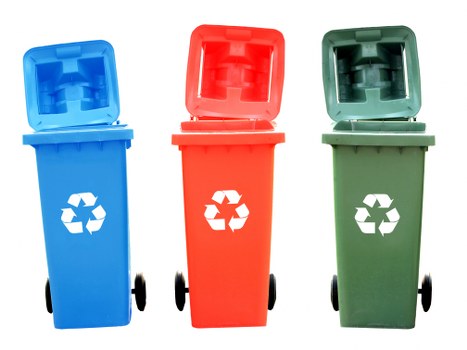
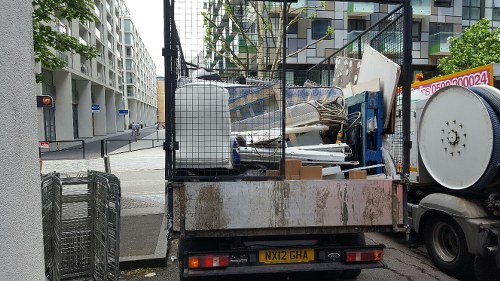 The organisation recognises its duty to manage commercial waste removal Dalston activities safely and to minimise environmental harm. Key operational controls include segregation of recyclable and non-recyclable materials, secure containment of sharp or hazardous items and following waste transfer documentation protocols. Subcontractors are expected to comply with the same standards and undergo induction prior to engagement.
Responsibilities and Training
Line managers have the primary responsibility to implement this policy and ensure that tasks are carried out safely. Employees must take reasonable care for their own health and safety, use provided equipment properly and report defects immediately. The company will provide documented training records, equipment familiarisation and emergency response training. Training covers safe lifting techniques, correct use of PPE, safe operation of compactors and vehicle safety checks.
 A documented induction process applies to new staff and contractors. It highlights site-specific risks, vehicle loading limits, procedures for handling hazardous waste and communication routes for reporting incidents. Records of qualifications and licenses for drivers and equipment operators will be maintained. The organisation encourages a culture where safety concerns can be raised without fear of reprisals.
Supervisors will conduct regular competency checks and monitor adherence to safe systems of work. Performance indicators include incident rates, near-miss reports and audit findings. Where training gaps are identified, targeted instruction and re-assessment will be scheduled.
Safe Systems, Equipment and Vehicles
Vehicles used in Dalston business waste operations are subject to daily pre-use checks and scheduled maintenance. Drivers must complete safety checklists and report defects prior to departure. Loading must follow weight limits and secure containment procedures to prevent spillage during transport. All waste handling equipment is maintained to manufacturers' standards and inspected regularly.
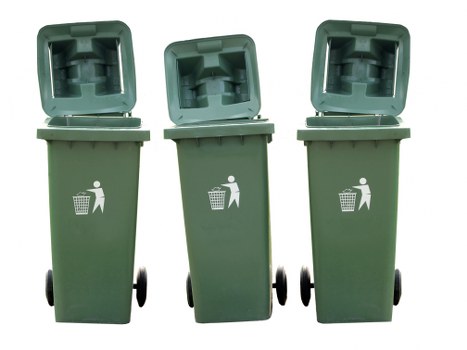 PPE requirements include high-visibility clothing, gloves, safety footwear and eye protection where necessary. Additional controls may be required for dealing with hazardous or medical waste, such as puncture-resistant containers and approved disposal routes. Safe access, egress and exclusion zones must be established on customer sites to protect the public and staff from moving vehicles and manual handling operations.
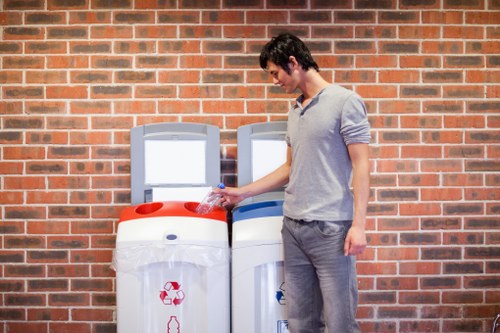 The company operates a permit-to-work system for non-routine or high-risk tasks and enforces a strict no-tolerance policy for unsafe practices. This includes prohibition of unauthorised entry to compactor units and cold work confined spaces without supervision and appropriate controls. Strong emphasis is placed on correct segregation of waste types and secure containment during transit to licensed facilities.
Emergency preparedness and incident management are core components of the policy. Visible emergency procedures are posted at key locations and staff are trained in immediate actions, fire response and spill containment. Incidents and near-misses are investigated to identify root causes and implement corrective actions. Where injuries or environmental releases occur, the company will cooperate with authorities and maintain transparent records.
Internal auditing and review ensure continual improvement. The policy will be reviewed at least annually or following significant incidents, changes in legislation, client requirements or operational scope. Management will monitor compliance through routine inspections, audits and performance metrics, and will act on findings to strengthen controls.
Key elements of risk control include:
- Pre-employment and ongoing competency verification
- Clear safe systems of work and documented procedures
- Provision and maintenance of appropriate PPE
- Vehicle safety checks and load securing protocols
- Segregation and safe handling of hazardous and sharps waste
Contract management requires that all partners and subcontractors engaged in rubbish clearance and commercial waste services meet the company’s health and safety expectations. Contracts include clauses for compliance, evidence of training, insurance and right-to-work documentation. The procurement process considers safety performance as a key criterion when selecting service providers.
Communication of this policy is achieved through induction materials, visible site notices and inclusion in the employee handbook. Staff are encouraged to participate in safety committees and contribute to risk assessments to ensure practical controls reflect operational realities. The company fosters continuous dialogue between management and teams to sustain a safe working environment.
In summary, this Health and Safety policy provides a structured approach to managing risks in business waste removal, skip hire and related rubbish services. It is designed to promote safe work practices, ensure regulatory compliance and protect people and the environment through robust procedures, training and monitoring.
